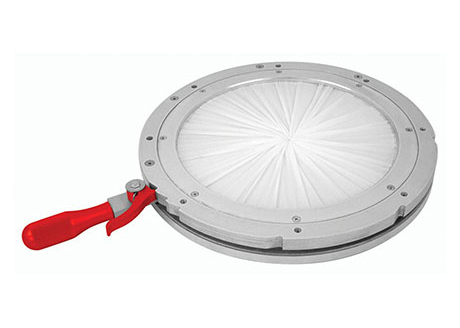
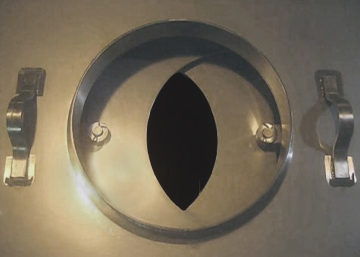
Iris valve
Provides controlled discharge as the bag spout is opened. Once the bag is untied, material flow cannot be stopped until the bag is empty.
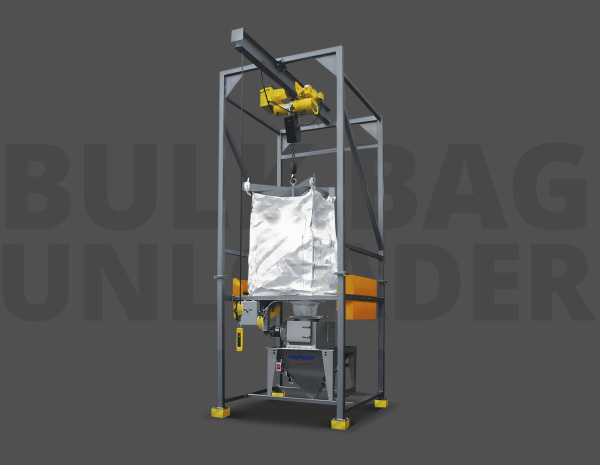
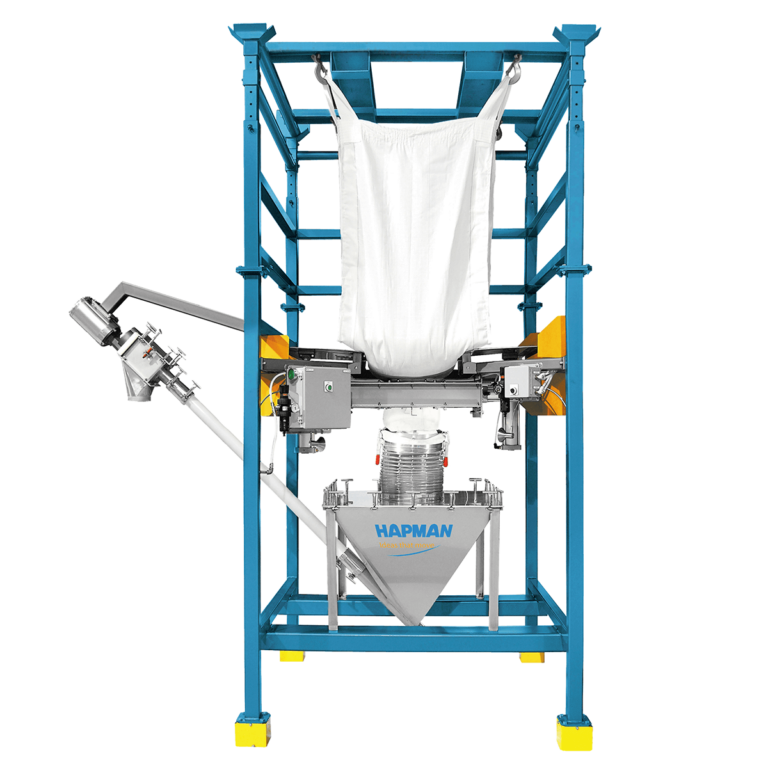
A bulk bag unloader—also known as a FIBC unloader or bulk bag discharger system—provides a safer, cleaner, and more reliable way to introduce bulk materials into your production process. By securely supporting the bag and controlling material discharge, these systems reduce manual handling, improve flow consistency, and help contain dust.
Every bulk material behaves differently. That’s why Hapman engineers each Bulk Bag Unloader around your application rather than offering a one-size-fits-all solution. From free-flowing pellets to difficult powders, our systems can be configured with multiple frame styles, flow aids, discharge valves, dust containment options, weighing systems, and downstream integration to deliver reliable performance throughout your process.
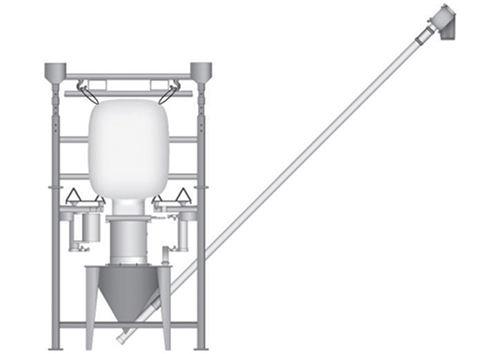
Integrate bulk bag unloader with other bulk material handling equipment from Hapman like the Helix® flexible screw conveyor, feeder or TubePro® tubular drag conveyor for a complete conveying system.
Our Performantee is a 100% operational guarantee that you will be fully satisfied with the performance of our equipment, and that it will achieve the specific results for which it was designed and manufactured. If not, we will revise or repair it to deliver the results we promised.

Every unloader is configured around your bags, your material, and your process, handling a wide range of bulk bag sizes and loads up to 4,000 lb (1,814 kg).
Frame
3”, 4” or 5” Stainless Steel or Carbon Steel tubing
Finish
Stainless Steel, Paint (Epoxy, Steel-It™ or Enamel)
ACCESS
Round or square access chamber configurations provide operator access to the bag discharge spout.
Adaptors
Load-tested and certified to support safe, secure bulk bag lifting and handling.
Seismic
Earthquake certification available.


Provides controlled discharge as the bag spout is opened. Once the bag is untied, material flow cannot be stopped until the bag is empty.
Allows material flow to be started, stopped, and restarted during unloading—ideal for partial bag discharge.
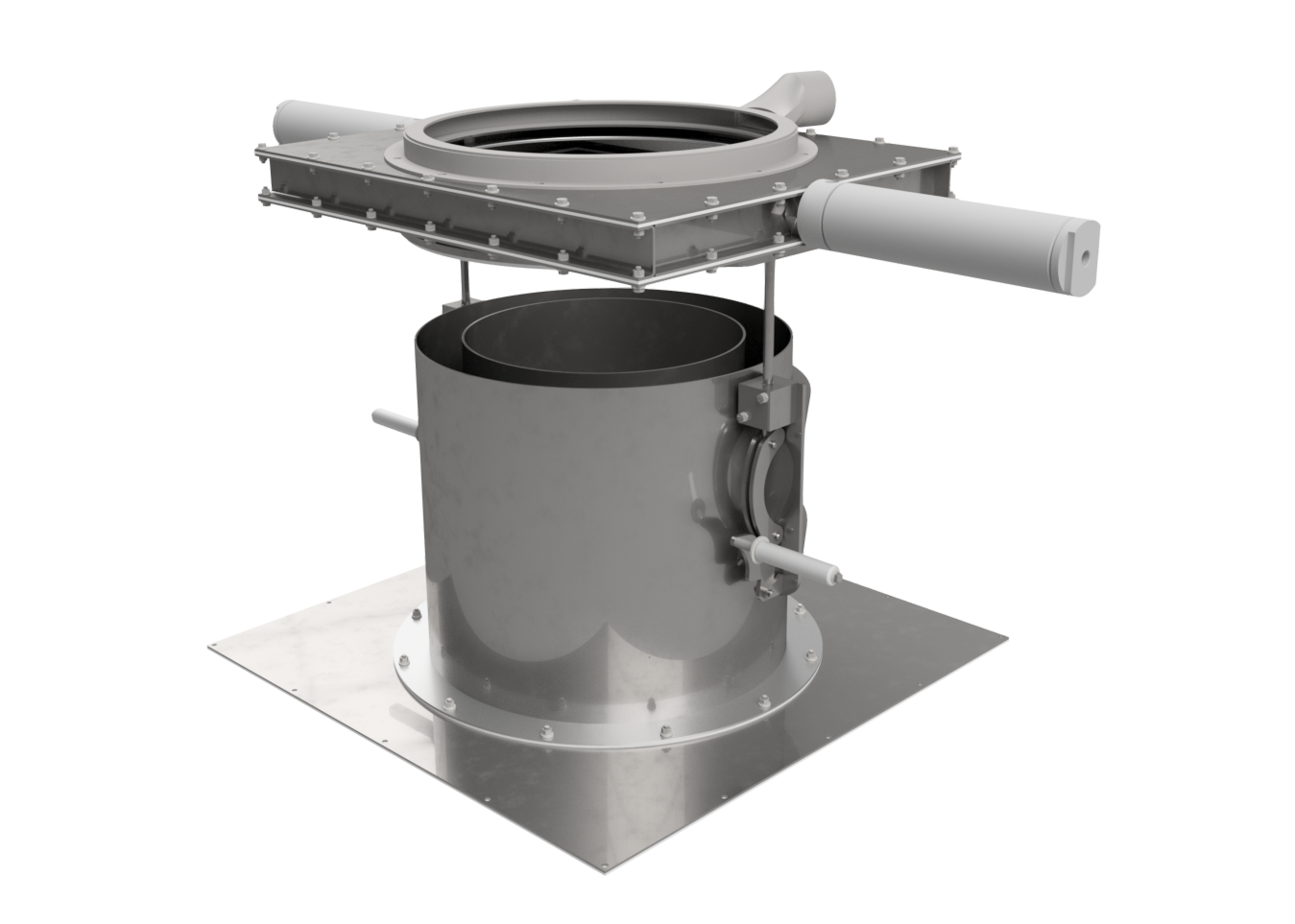
Securely clamps the bulk bag spout to help contain dust and prevent material leakage during unloading.
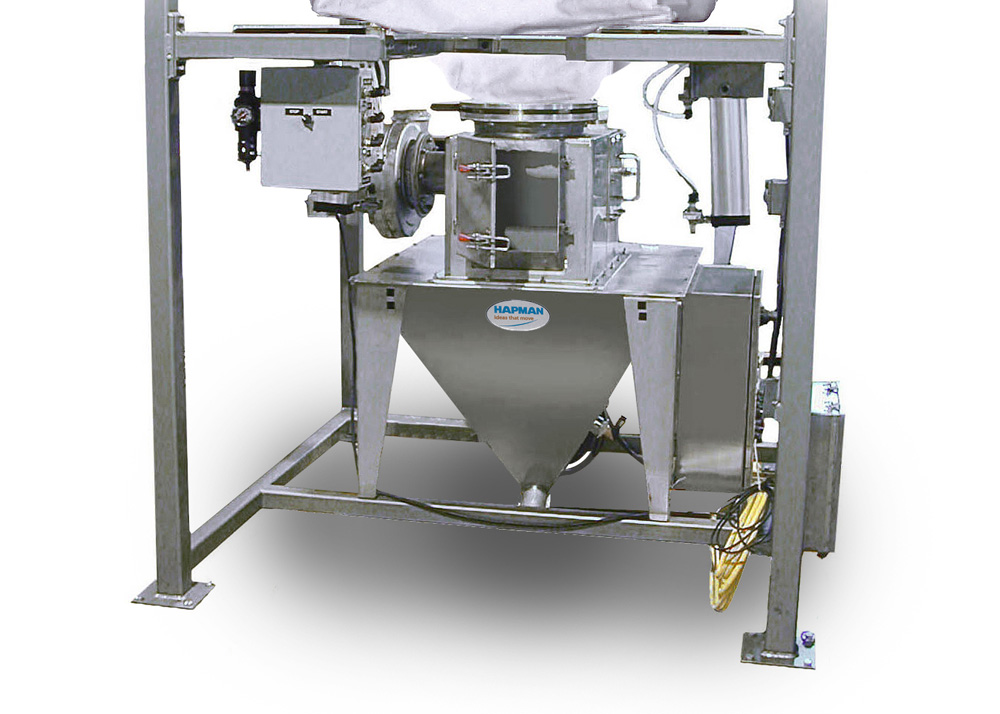
Captures airborne dust at the bag discharge point while reverse-pulse filter cleaning returns collected material to the process, helping reduce product loss and the need for remote dust collection.
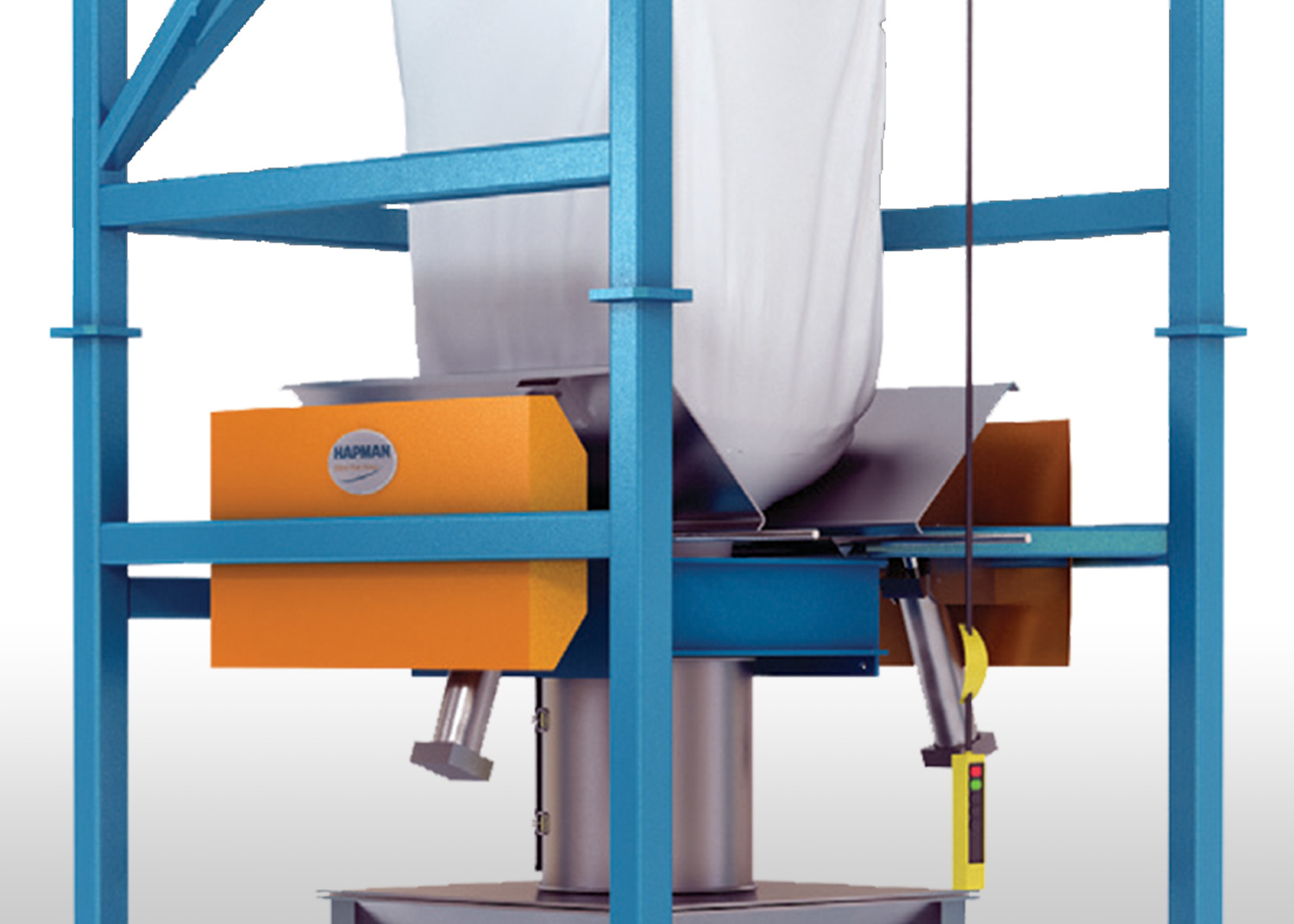
Gently lift and massage the bottom of the bulk bag to encourage material toward the discharge spout.
Best for
A versatile flow-assistance option for materials that compact or need help maintaining consistent discharge.
Example Materials
A versatile flow-assistance option for materials that compact or need help maintaining consistent discharge.
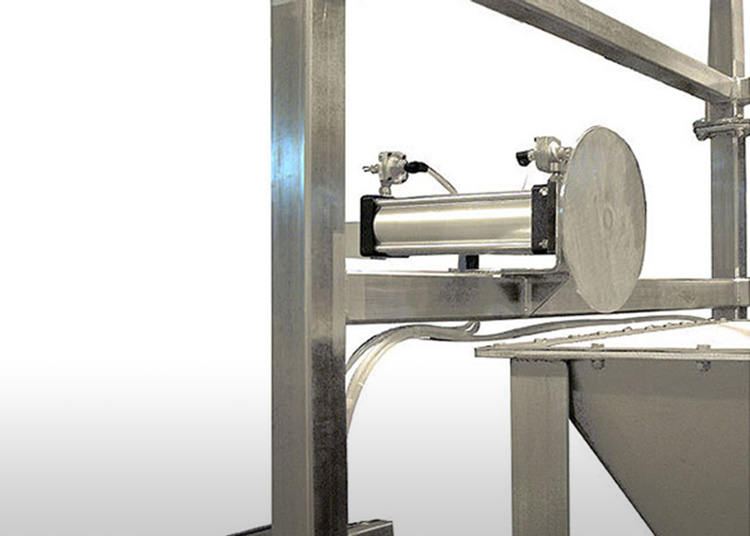
Applies force to the sides of the bulk bag to break up material that has compacted or formed bridges.
Best for
Typically used with agitator paddles when additional flow assistance is needed to maintain continuous discharge.
Example Materials
Titanium dioxide (TiO₂) and other cohesive or compacted powders
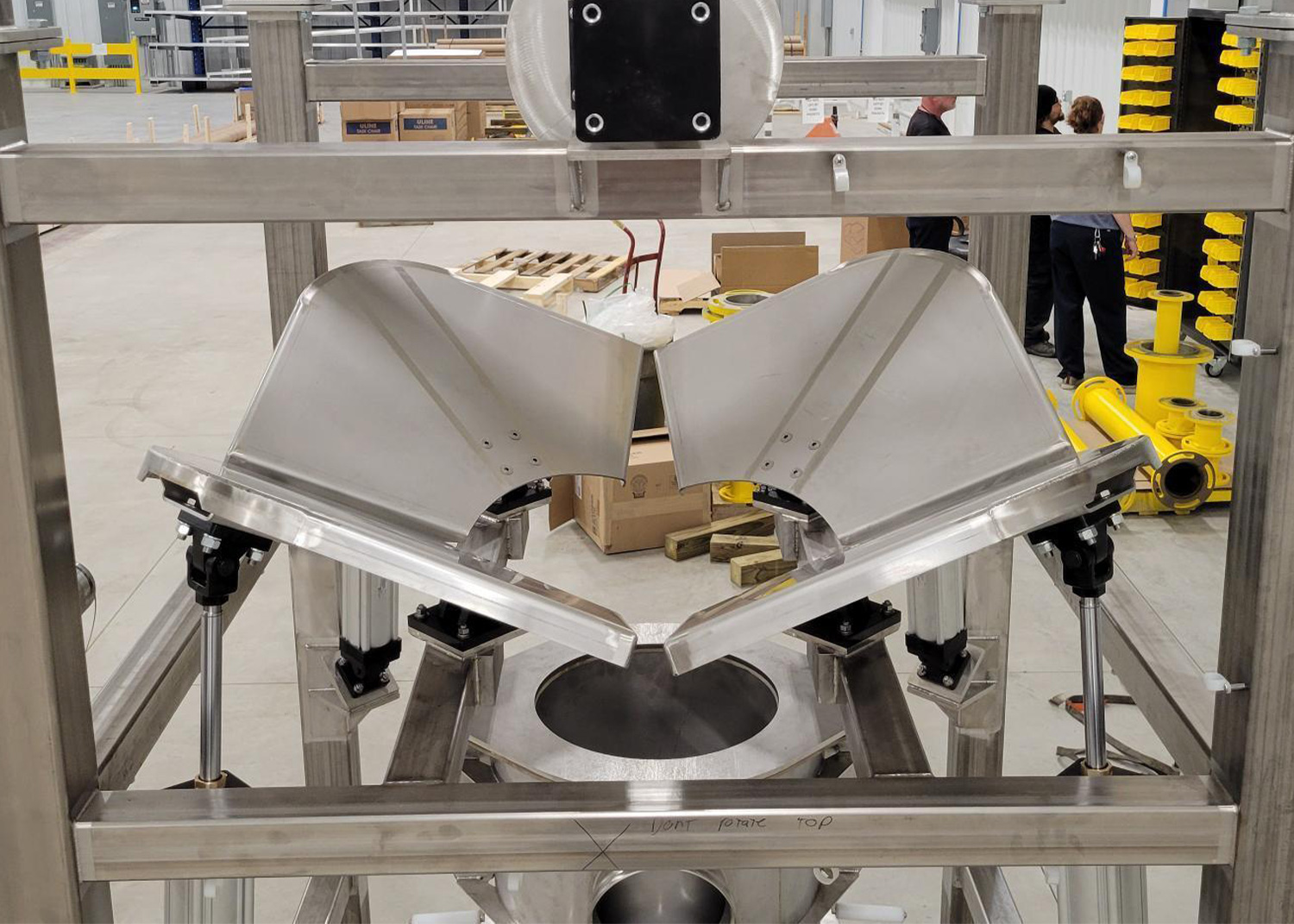
Applies agitation from all four corners of the bulk bag, directing difficult-flowing material toward the discharge spout.
Best for
Very sluggish or cohesive materials that require more aggressive flow assistance than standard agitator paddles.
Example Materials
Perlite, Cellulose
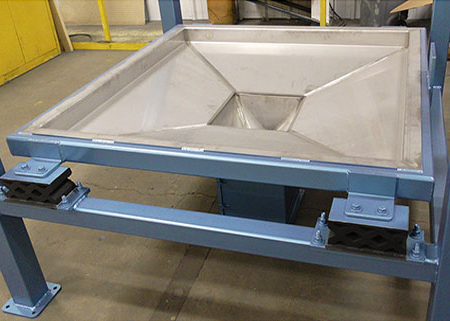
Uses controlled vibration beneath the bulk bag to encourage material flow toward the discharge point.
Best for
Bulk bags with discharge spouts that are too short to reach or work effectively with standard agitator paddles.
Example Materials
Various powders and bulk solids where bag configuration prevents the use of agitator paddles.
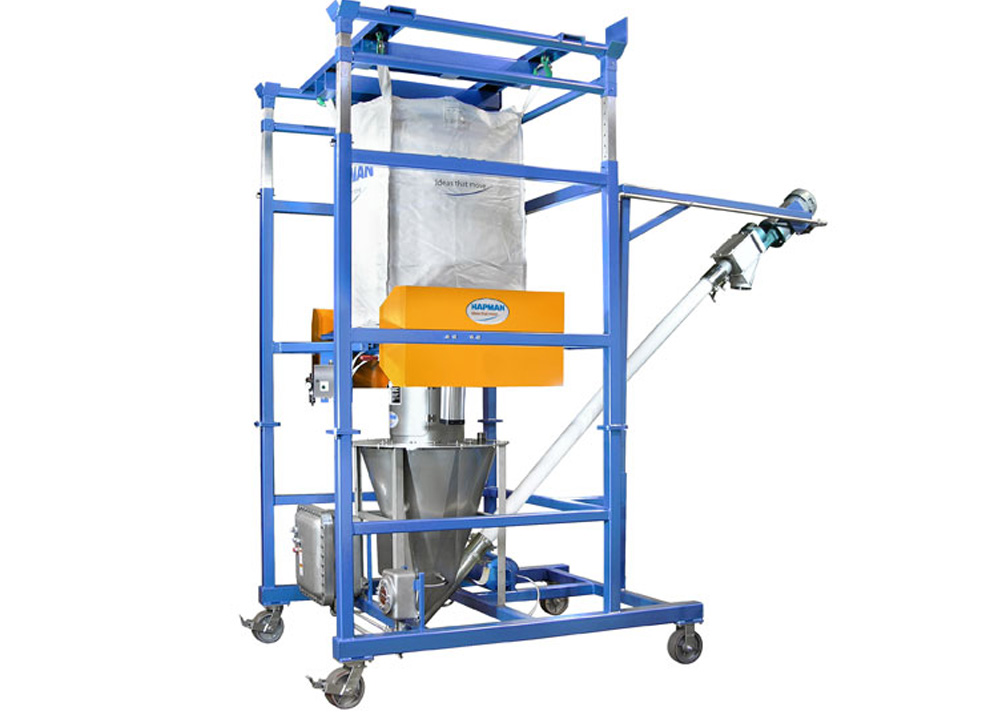
Heavy-duty locking casters allow the unloader to be repositioned between processing areas.
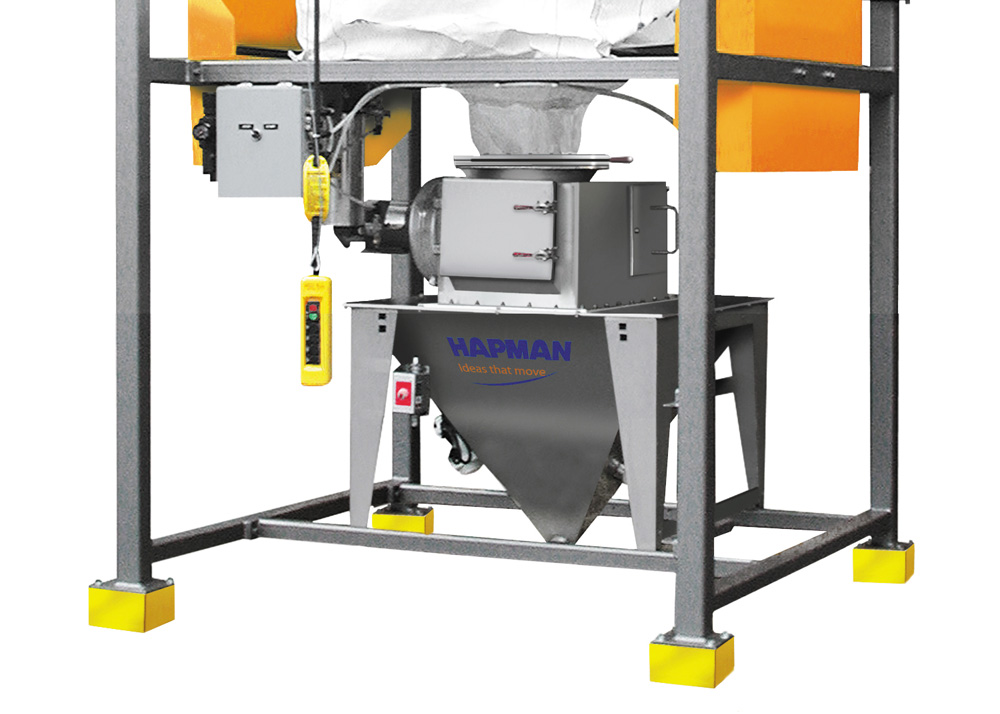
Frame-mounted load cells monitor changes in bulk bag weight to measure material discharge during unloading.
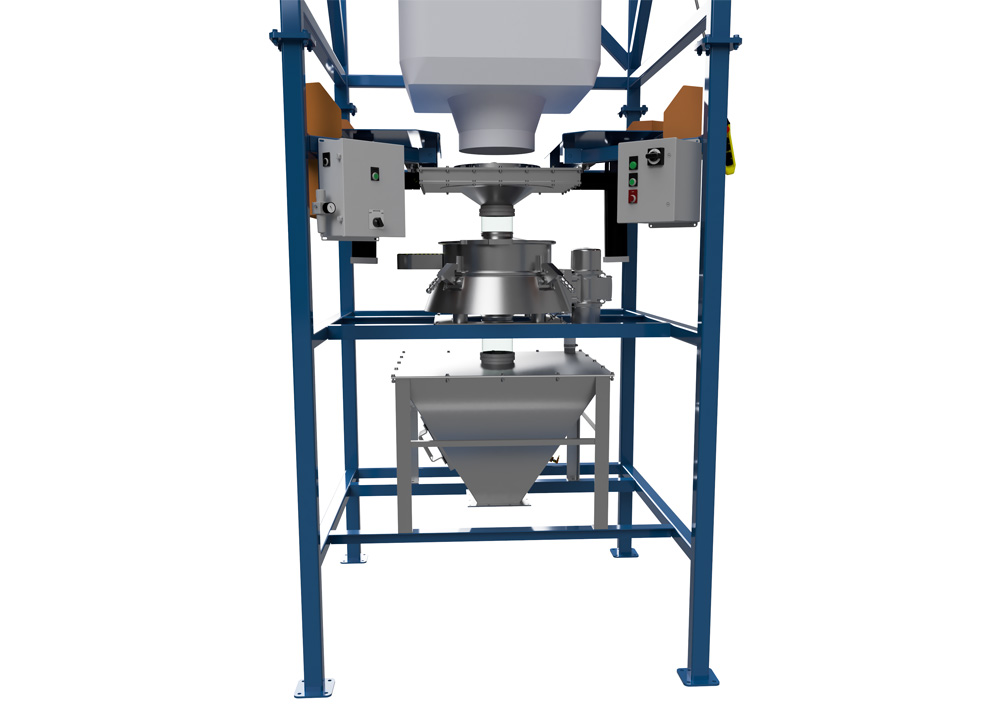
A versatile, high capacity, easy clean screening vibratory sieve where space is restricted.
Reverse pulse filter cleaning helps keep materials in your process stream instead of removing them to a remote collector.
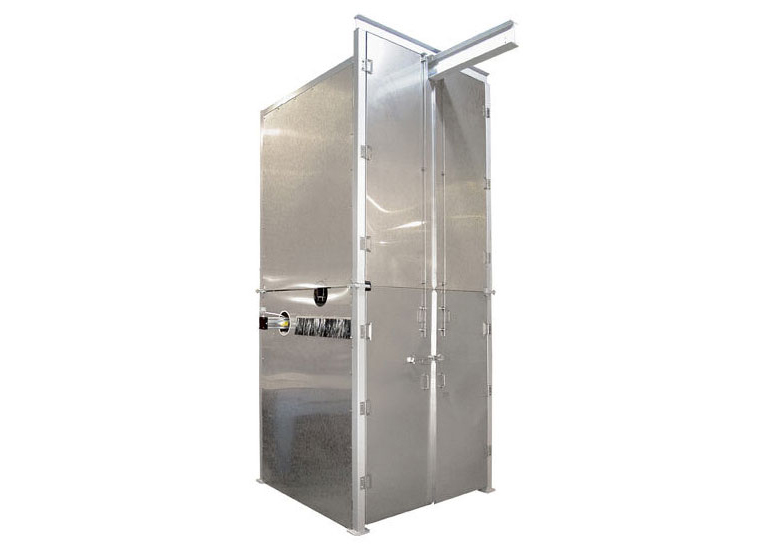
Provides an enclosed unloading area to help reduce operator exposure to airborne dust and material.
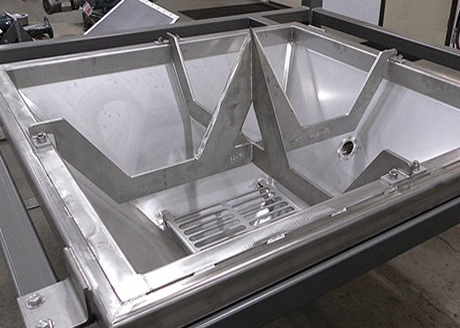
Pierces the bulk bag as it is lowered into the hopper allowing for material to flow. For single-use bags.

Combines bulk bag unloading with a small bag dump station for adding minor ingredients into the same process.

Hapman’s engineering team has helped customers with bulk bag unloading applications in the following industries:

Use the Hapman Configurator for on-demand access to design custom solutions for your application and immediately obtain reference models and drawings.
Want to see why a Bulk Bag Unloader is the best fit for your product? We can also run sample unloading tests on certain materials. Get in touch with our team to customize your specs to exactly what you need.
Want to talk to a technical specialist about your specs for bulk bag unloaders?


Check out our specs for the Small Bag Dump Station here.
What are the advantages of using a bulk bag unloader?
A Bulk Bag Unloader, also commonly called a super sack unloader or FIBC unloader, provides a safer and more efficient way to discharge powders and bulk solids from large bags into a production process. Compared with manually handling smaller bags, a bulk bag discharger system can reduce operator handling, improve material containment, minimize dust and waste, and support higher-volume operations.
A bag unloader can also be integrated with conveyors, feeders, and other process equipment to provide controlled material transfer. For operations transitioning from smaller bags to bulk bags, purchasing material in larger quantities may also help reduce packaging and material costs.
What types of materials can a bulk bag unloader handle?
Bulk Bag Unloaders can handle a wide range of powders, granules, pellets, and other dry bulk solids used in industries such as food processing, chemicals, plastics, minerals, building materials, and wastewater treatment.
Selecting the right bag unloader depends on more than the material name. Bulk density, flowability, particle size, moisture sensitivity, dustiness, and the tendency to compact or bridge can all affect how material discharges from a bulk bag. Difficult-flowing materials may require flow-assistance devices to promote more consistent discharge.
Hapman evaluates the material characteristics and process requirements when configuring a bulk bag discharger system for an application.
What sizes and types of bulk bags can a bulk bag unloader accommodate?
Bulk bags, also known as FIBCs or super sacks, are manufactured in many sizes and configurations; there is no single standard bulk bag size. A Hapman Bulk Bag Unloader can be configured around the bags used for a specific application.
Important considerations include overall bag dimensions, weight, lifting-loop configuration, and discharge-spout diameter and length. Bag height helps determine the required unloader frame height, while discharge-spout dimensions influence components at the bag-to-equipment connection.
The method used to load the bag should also be considered. Depending on the application and facility, a super sack lifter or other bag-loading arrangement can be incorporated into the unloading process.
How does a bulk bag unloader control dust during discharge?
A bulk bag discharger system can help control dust by creating a more contained path for material as it moves from the bag into downstream equipment. Instead of operators opening and manually dumping multiple smaller bags, the bulk bag’s discharge spout connects to the unloading system to help contain material during discharge.
The appropriate dust-control approach depends on the material and application. Hapman can incorporate options such as enclosed access chambers and dust collection into a Bulk Bag Unloader system. Combination bag dump/access chambers are also available for processes that handle both bulk bags and smaller bags.
How do I choose the right bulk bag unloader for my application?
Choosing the right Bulk Bag Unloader starts with understanding the material, bulk bag, required discharge rate, downstream process, and facility requirements. Because bulk solids behave differently, there is no single super sack unloader configuration that is right for every application.
Material characteristics such as bulk density and flowability can determine whether flow assistance is needed, while bulk bag dimensions influence equipment height and discharge-interface requirements. Available headroom, bag-loading method, dust-control needs, materials of construction, sanitary requirements, and downstream equipment should also be considered.
Hapman configures each bulk bag discharger system around the application and can integrate unloading with conveying, feeding, and other material handling equipment to provide controlled transfer into the next stage of the process.